For homeowners
Insulation for your home, handled start to finish
One number to call. We work out what your house actually needs, put the right material in the right assembly, and bring a crew that installs it properly.
Start with what you notice
You do not need to know what R-value you have
Nobody calls an insulation contractor because of a number. They call because of something they can feel. Any of these sound familiar?
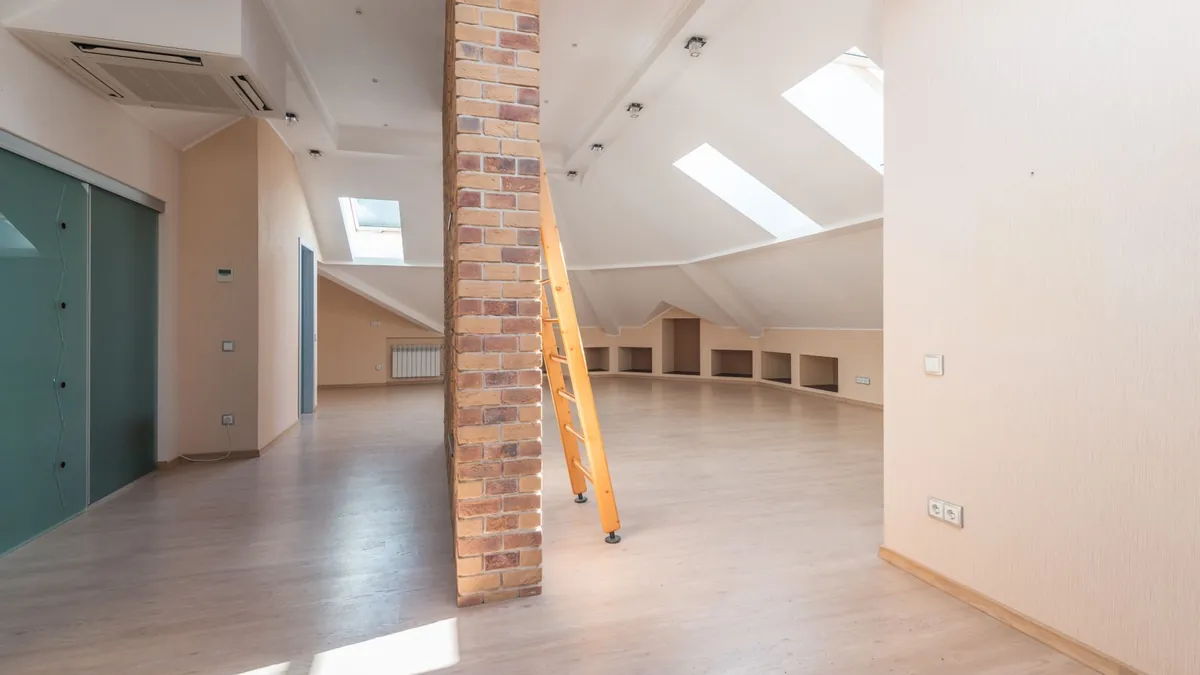
The upstairs is always hotter
A second floor that runs several degrees above the first in summer is the classic sign of an attic that is under-insulated, under-sealed, or both.
Floors are cold in winter
Almost always the crawl space — either the floor was never insulated or the batts have sagged out of the joists.
One room never keeps up
A bonus room over a garage, a converted attic or an addition usually has a different assembly than the rest of the house, and gets treated as an afterthought.
The power bill keeps climbing
When the system runs longer to hold the same temperature, the envelope is usually where the money is going.
Drafts near the ceiling or outlets
Air moving through top plates, chases and penetrations moves straight past insulation. That is an air-sealing problem.
The house is loud between rooms
Interior walls without sound batts carry everything. Cheap to fix while framing is open, expensive after drywall.
How it goes
Four steps, no surprises in the middle
Tell us what you are noticing
Hot upstairs, cold floors, climbing bills, or a room that never keeps up. Call, text, or send the form — you do not need to know what the fix is.
We look at it properly
Attic, crawl space, and the places air actually moves. We are looking for what is failing and why, not just how deep the insulation is.
You get a scope and a price
Written plainly: what we would do, what material goes where, and what it costs. Including the parts we would leave alone.
The crew does the work
Access masked, material staged, debris out with us. When it is done, the house should feel different, not just look insulated.
What we would do at your house
The work homes usually need
Most houses need two or three of these, not all of them. Part of scoping the job is telling you which ones you can skip.
Where most of the heat moves
Attic Insulation
In a Georgia summer the attic is the hottest part of the house and the biggest gap in its thermal envelope. We bring it up to a real depth in the material the assembly calls for, and seal the ceiling plane underneath first.
Learn moreCold floors and damp air
Crawl Space Insulation
Crawl spaces drive the two complaints we hear most in older houses: floors that are cold all winter, and a humid, musty smell that gets pulled up into the living space. Both are fixable, and both start underneath.
Learn moreThe dependable default
Fiberglass Insulation
Fiberglass is the most widely used insulation in American homes for good reason: it performs predictably, it costs less than the alternatives, and it suits most standard framed cavities. The whole job is in the fit.
Learn moreInsulates and air seals at once
Spray Foam Insulation
Foam is the answer where a cavity has to be both insulated and sealed, or where there simply is not enough depth to hit the target with anything else. It expands into the gaps that batts and loose fill cannot close.
Learn moreBlown in, evenly covered
Loose Fill Insulation
Loose fill is blown in rather than laid in, so it gets into the awkward parts of an attic floor that a cut batt never sits flat against — around joists, wiring and bracing — and builds one consistent blanket at the depth the assembly needs.
Learn morePre-cut, for regular framing
Batt Insulation
Batts come pre-cut to standard framing widths, which makes them fast and predictable in walls, floors over crawl spaces, garage ceilings and interior sound walls — wherever the framing is regular and reachable.
Learn moreAbout pricing
Why there is no price list on this page
Because an honest number needs three things we cannot know from a web page: what is up there now, how big the area actually is, and whether air sealing has to happen first. Anyone quoting insulation sight-unseen is quoting a guess and adjusting later.
So the sequence is: we look, we tell you the scope, you get a price, and then you decide. If part of what you were expecting turns out not to be worth doing, we will say that too — it is a shorter conversation than explaining it afterwards.
What helps us help you faster
- Which rooms are uncomfortable, and when
- Roughly when the house was built
- Whether there is a crawl space, slab or basement
- Whether the attic is reachable, and how
- Any known roof leaks, pests or past water damage
None of it is required. It just means fewer questions on the first call.
FAQ
Homeowner questions
How do I know whether my insulation is the problem?
The pattern usually gives it away. If the upstairs is much hotter than the downstairs in summer, or the floors are cold in winter, or one room never keeps up with the rest, the envelope is a likely cause. We look at the attic and crawl space and tell you what we find, including if the answer turns out not to be insulation.
Do I need to be home for the work?
For the walkthrough it helps, because you can point out which rooms are the problem — that is information we cannot get from the attic. For the install itself we will agree access arrangements up front so there is no confusion on the day.
How long will the work take?
We tell you the duration on arrival, once we have had a close look at the house. Attic and crawl space jobs vary enormously with access, what is already up there and whether anything has to come out first, so a number given before that inspection would be a guess — and it would be the optimistic kind.
Will there be a mess in my house?
The route in gets masked off, the material stays contained to the work area, and the debris leaves with the crew. Removal work is vacuumed out to a collection bag rather than carried through your hallway.
Is it worth doing if I might sell in a few years?
That is a fair question and the answer is not always yes. If comfort is the complaint, the benefit is immediate whether you sell or not. If it is purely a return-on-investment question, tell us — we would rather scope it honestly than talk you into the biggest version of the job.
Can you just top up what is already there?
Often, yes, and that is the cheaper path when the existing material is dry, clean and evenly spread. If it is wet, compressed or rodent-damaged, adding on top of it buries the problem, and we will tell you that instead.
Let us look at it
Call, text, or send the form. We will work out what your house actually needs before anyone quotes you a number.
OpenMonday – Saturday9:00 AM – 5:00 PM